02 / Gameplay dossier

Gameplay Bosses

Cuphead is an exacting run-and-gun and boss-focused action experience built around quick reactions, repeated observation, and expressive animated staging. This Cuphead Arcade review examines the moment-to-moment loop, boss patterns, platforming pressure, difficulty, and newcomer-ready habits.

Run-and-gun Boss patterns Platforming
Find Cuphead on Google Play

This opens Google Play search results and is not a confirmed official Cuphead listing.

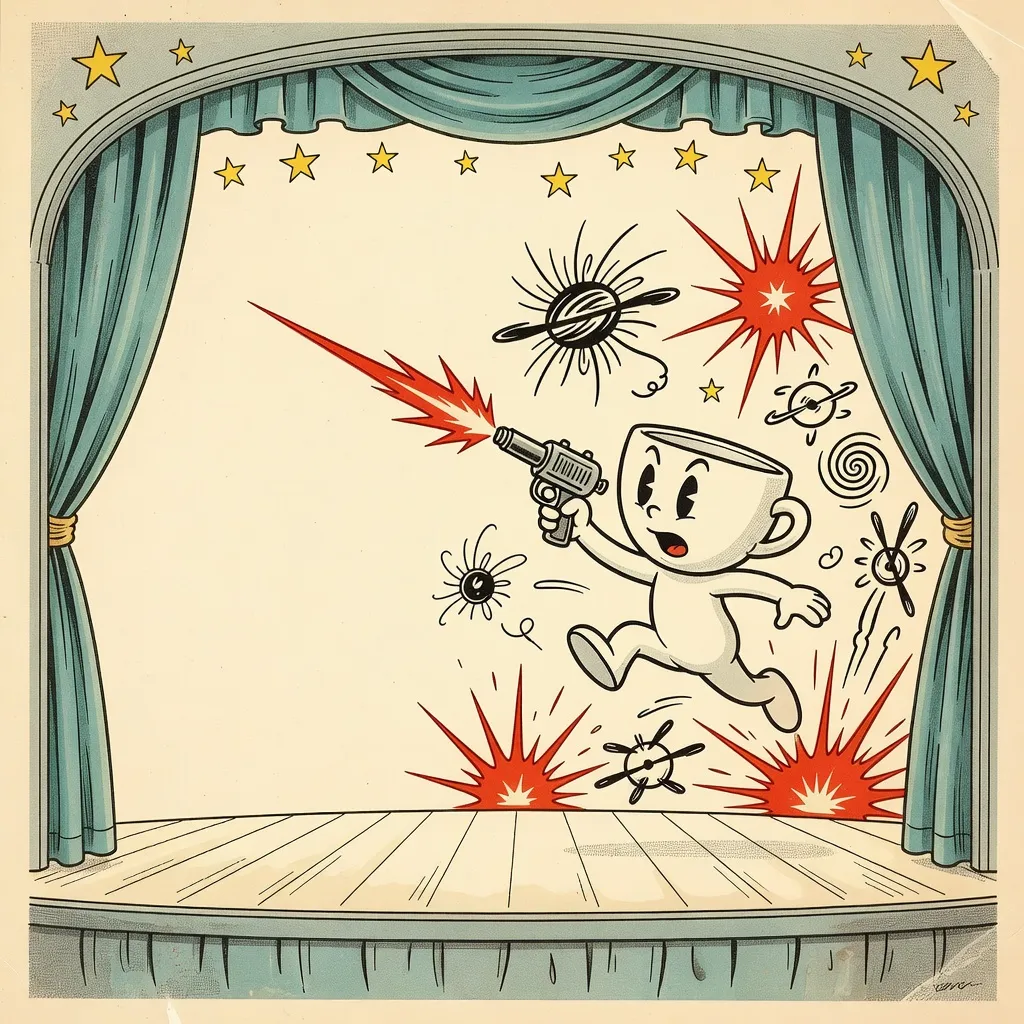
Illustrated cup-headed adventurer leaping across a theatre-like action scene with abstract flying hazards.
Archive plate 02 — movement under pressure

03 / The active loop

The moment-to-moment loop

The play is active because offence and movement share the same small window of attention. A useful first impression is not simply “shoot quickly,” but “keep reading while you shoot.”

Keep moving while attacking

Run-and-gun stages and boss encounters both ask you to keep offensive pressure in mind while finding a workable position. The important tension is between where your character is now, where an incoming hazard is headed, and when an opponent appears to telegraph its next move. That makes movement feel less like background travel and more like part of every attack decision.

Jump, dash, and parry as responses

Mobility works best when treated as a set of deliberate responses to changing threats. A jump, dash, or parry can be an opportunity, but it still needs a safe opening because the screen remains active around it. In plain terms, timing means choosing a response when it helps solve the immediate problem instead of committing before the space is readable.

Learn the rhythm of an encounter

Repeated attempts are often most useful as observation. The 1930s-inspired animation and audio direction give each scene a strong sense of performance, but the practical value lies in noticing what visual cue comes before the next decision. Progress can come from recognizing a sequence, not only from trying to react faster to every new thing at once.

04 / Main attraction

Why boss fights take centre stage

A staged encounter, not a static target

Bosses feel defining because they are presented as animated performances rather than static targets. A theatrical opponent can occupy the whole scene, transforming the mood as attacks and visual gestures change. The spectacle keeps an encounter memorable, while the player still has to sort useful signals from the movement and colour surrounding them.

Phase

Phases change the question

When a phase shifts, the useful question often changes with it. Space, timing, and priorities may need to be reassessed instead of carried over from a previous routine. Visual changes are worth watching because they can signal that the encounter is asking for a different kind of attention, not merely a quicker version of the same answer.

Takeaway: adaptation matters as much as repetition.

Pattern recognition makes attempts useful

Repeated attempts become more informative when you look for one recurring sequence at a time. There is no need to memorise every detail immediately. Identify one threat, notice its setup, and look for a safer response on the next pass. That steady approach makes demanding arcade-like play feel more legible without pretending that every encounter becomes easy.

Boss fights bring the visual show and the stakes together: expressive, intense, and most rewarding when approached with patient observation.

Cuphead Arcade review note
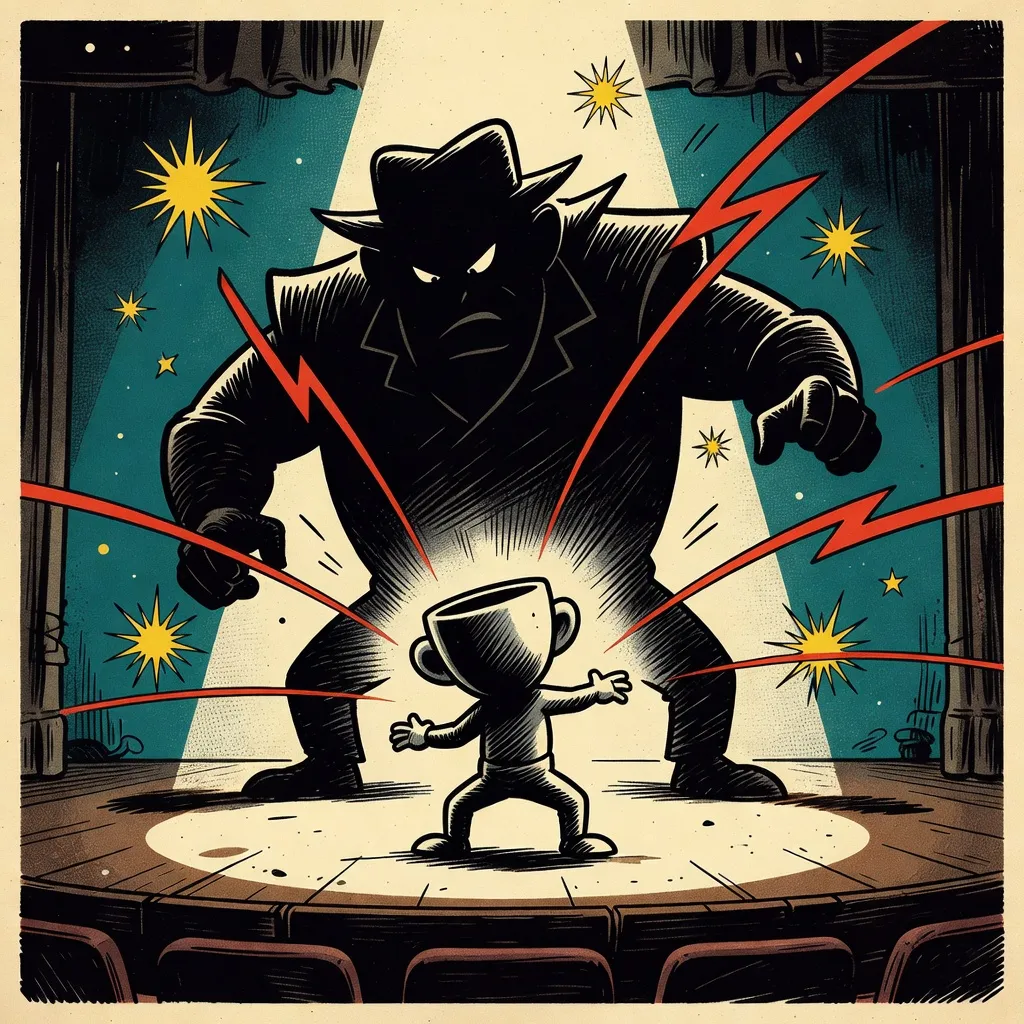
Illustrated theatrical showdown with a looming cartoon silhouette above a small hero in a cream spotlight.
Feature plate — spectacle meets pattern reading

05 / Field practice

Read the stage before the shot

A practical first habit is to notice how a scene sets up a problem before concentrating only on the problem itself.

Watch

Look for the cue before the consequence

Watch for motion, position changes, or another visible setup moment before you focus only on the hazard itself. This is a general observation habit, not a guarantee, but noticing a setup can create more time to decide. It works for a dramatic boss gesture and for a platforming threat that is about to occupy the route ahead.

Choose one problem per attempt

Give an attempt a manageable focus, such as understanding one recurring moment, rather than trying to solve every visual demand at once. A short-term focus can reduce overwhelm and turns pattern recognition into something concrete. It also leaves room to notice what changed without judging the whole attempt as useful or useless.

Keep the screen legible in your mind

When a scene becomes busy, prioritise the immediate picture rather than trying to process every flourish at equal weight. Between attempts, it is valid to slow down your interpretation and name what you saw:

Nearest hazard. Open lane. Next cue.

06 / Moving picture

Run-and-gun stages change the pace

Boss arenas concentrate attention around an encounter. Run-and-gun stages add a forward route, platforms, and changing space to that same pressure.

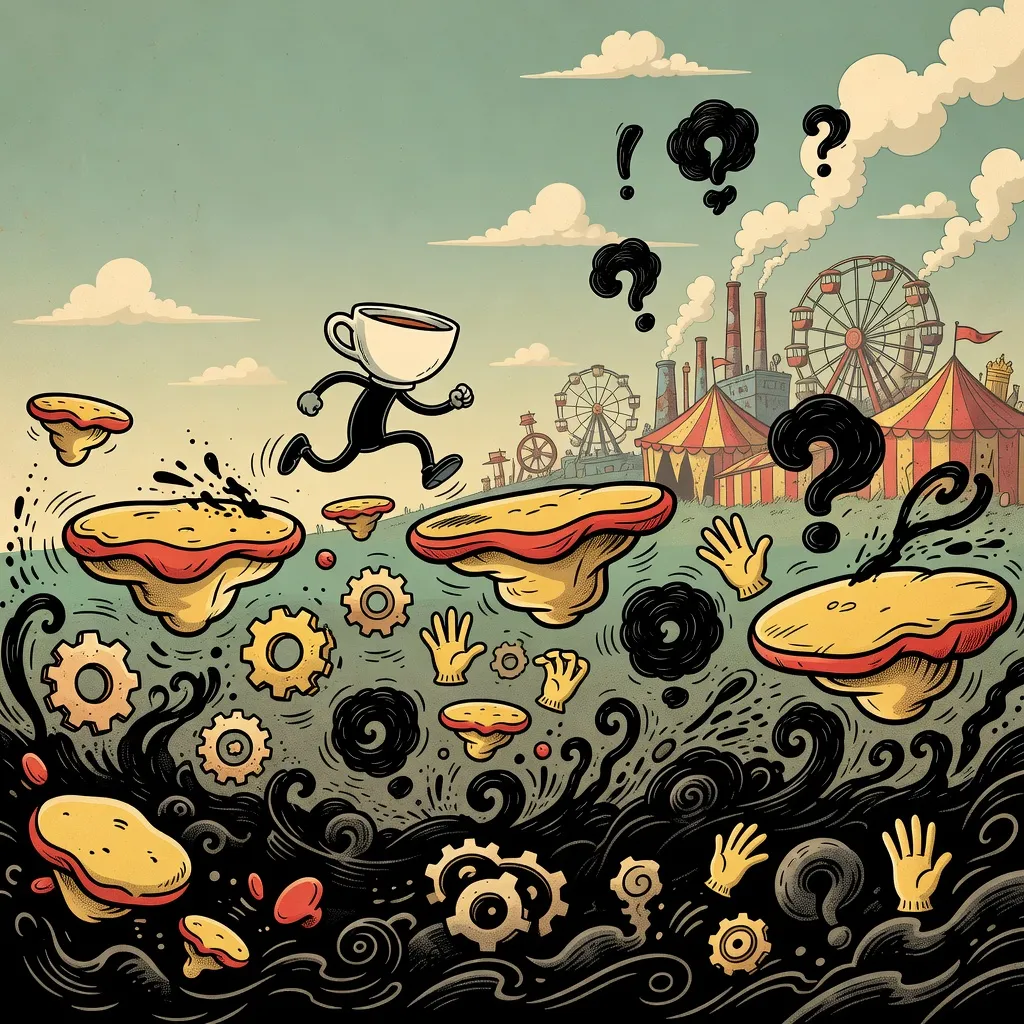
Illustrated cup-headed adventurer running and jumping between exaggerated platforms above abstract hazards.
Route study — forward movement and landing space

Movement carries the level forward

Run-and-gun stages change the emphasis because progress across the environment matters alongside dealing with threats. Instead of concentrating on a single arena, you are reading where the route may lead next. That makes platforming challenges central to the experience: forward travel is not a pause between fights, but another source of active decision-making.

Platforms make timing spatial

Jumps and landings add another layer to threat reading because safe space changes as you move. The question is not only what to avoid, but where to go next once the current landing is no longer secure. A safe route can disappear as the scene scrolls.

The goal is controlled momentum

Rushing can create mistakes, but waiting too long can also leave the route unclear. The balanced approach is deliberate movement: recognise which spaces tend to stay open, notice where pressure increases, and let repeated passes reveal a more comfortable line forward. It is route awareness, not a demand to play at maximum speed.

Boss encounters

Primarily read changing attacks, phases, and the pressure inside an arena.

Run-and-gun platforming

Primarily read the forward route, platforms, and moving hazards.

07 / Honest assessment

What makes the challenge feel demanding

Cuphead can feel demanding because several decisions can arrive together: movement, attacks, hazards, and positioning all compete for attention. The animated visual language makes those moments vivid, but it also asks players to keep sorting the immediate cue from the surrounding performance.

Archive analysis

The visual show is part of the test

Expressive animation can make an encounter memorable while also asking the player to separate important cues from decorative movement. That richness is not inherently unfair; it simply makes cue-reading more valuable. The earlier habit of looking for setup moments helps turn a busy scene into a sequence of smaller, more understandable decisions.

Progress can be incremental

Familiarity can change the feel of an encounter. A slightly better moment of timing or a clearer route choice may not finish the challenge immediately, but those small improvements can add up across later attempts. Practice does not remove the demand; it can make the demand easier to describe and approach.

Notice the improvement that happens before completion.

08 / First-session sheet

A first-session game plan

For a lower-pressure start, treat your first session as a chance to collect useful observations rather than a demand to solve every scene at once.

01

Start by watching one full exchange

Consider the opening moments of an encounter an opportunity to notice pacing and recurring movement before trying to optimise every response. Look for the cue that begins a sequence and the space it affects. This mindset does not promise a safe observation period; it simply gives your attention a clear first job.

Keep it repeatable

02

Prioritise a reliable response

For a troublesome moment, look for one response that feels repeatable before trying to solve the entire encounter. A reliable response can reduce pressure because it turns one uncertain part of the scene into a familiar reference point.

03

Let attempts reveal the route

In platforming, use each pass to notice which space stays open and where forward momentum becomes risky. This is route awareness, not speedrunning: there may be several ways to read a scene, and the useful one is the line you can understand more clearly on the next pass.

04

Pause the self-judgment, keep the observation

Frustration and useful information do not have to be the same thing. Keep the cue, route, or timing note that stood out, and leave the harsh verdict behind. That is a practical review-minded way to return to a demanding scene with a clearer question.

This page is an overview. For more focused reading, explore weapons, charms and platforming or continue to difficulty and new player tips.

09 / Review frame

The gameplay is most compelling when the show becomes readable

Cuphead’s theatrical animation, active movement, and pattern-learning demands work best as one connected experience. The run-and-gun stages keep the route in motion, boss encounters turn presentation into pressure, and platforming makes safe space a moving target. The challenge is real, but the review’s strongest takeaway is that observation gives the spectacle practical shape.

For players who enjoy learning the show

Repeatable action with visible cues

This approach may suit players who enjoy revisiting action challenges, spotting visual cues, and gradually understanding a route or encounter. Repeated attempts have a clear purpose when they reveal another piece of the performance.

Worth approaching with patience

Intensity is part of the frame

The intensity asks for attention, especially from newcomers, and the first-session plan is a useful way to meet it. Patience is not separate from the review experience; it is part of how the game’s demanding scenes become more understandable.
10 / Continue the arcade review

Ready to look further?

Use this search action if you want to investigate Google Play results after reading the gameplay overview.

Find Cuphead on Google Play

This opens Google Play search results and is not a confirmed official Cuphead listing.

Archive note

Informational review scope

Cuphead Arcade is an English-language informational review website, not an official publisher or store listing. This gameplay discussion is an overview intended to help players understand the experience. Any Google Play references on this page open search results and are not confirmed official Cuphead listings.