Cuphead is demanding, with fast boss encounters, tight movement, run-and-gun pressure, and platforming challenges that can invite plenty of repeat attempts. Its challenge is not meant to be opaque, though: recurring patterns, repeatable actions, and gradual recognition give a newcomer something concrete to learn each time.
This informational guide focuses on five useful starting themes: spotting patterns, moving deliberately, learning parries, choosing a helpful setup, and treating losses as information instead of noise.
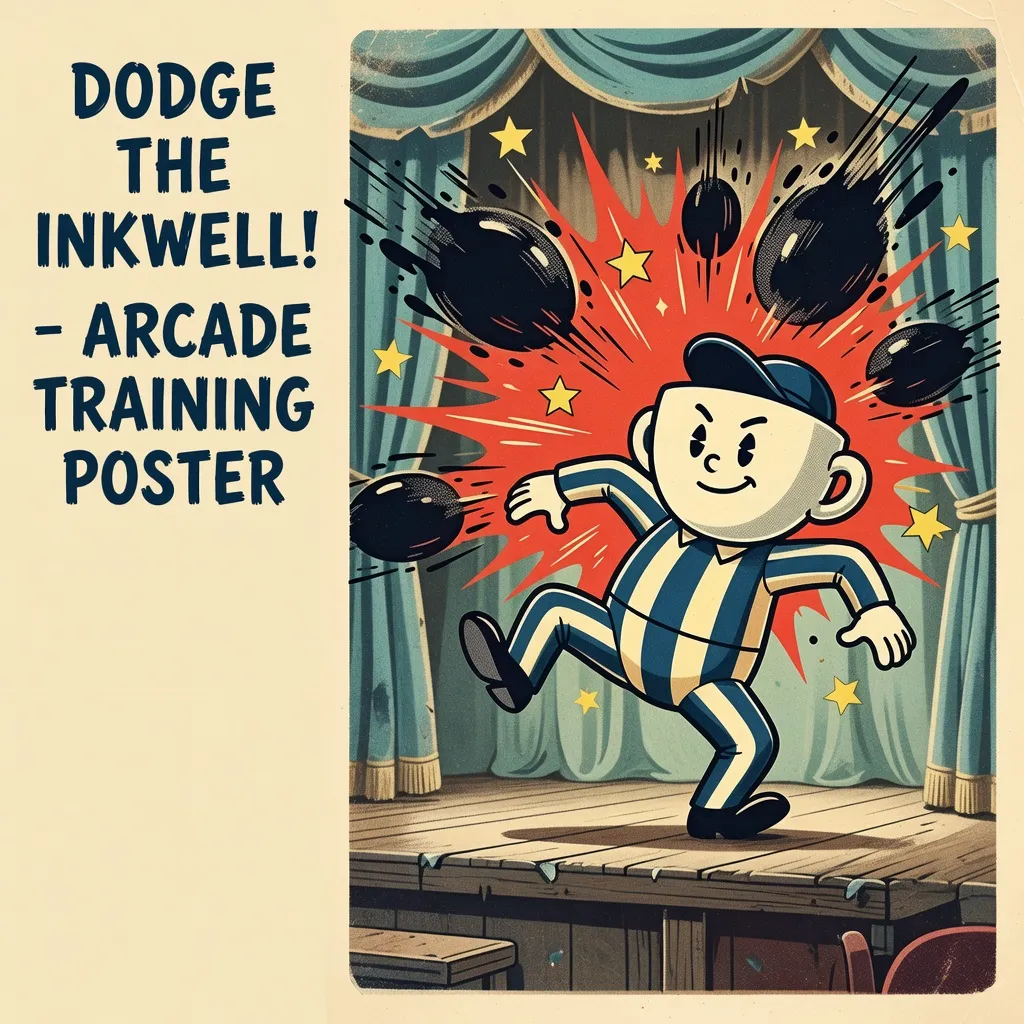
Archive plate: alert movement, not a gameplay screenshot.
02 / Read the Pressure
What the Challenge Asks of You
Cuphead becomes easier to interpret when its demands are separated into a few learnable jobs instead of treated as one wall of difficulty.
01
Pattern Recognition Before Perfect Reflexes
Early attempts have value because they reveal recurring attacks, safer lanes, and the moments when it is sensible to commit to offense. Rather than forcing damage through a confusing phase, give yourself permission to watch it once. A repeated cue becomes easier to recognise, and that familiarity turns repetition into practice instead of a blind retry.
02
Movement and Shooting Share Attention
Run-and-gun action and boss encounters ask you to steer through hazards while keeping attacks in mind. That split attention can feel intense, so survival and clean positioning deserve priority over constant firing. Short, deliberate adjustments usually preserve more awareness than panicked movement, giving you a better chance to see what is coming next.
03
Progress Asks for Adaptation
Different encounters and platforming challenges reward slightly different timing, movement, and equipment decisions. When an approach is frustrating, changing one part of the plan can be more useful than repeating the same attempt at speed. That is why weapons, charms, and route choices are worth considering as learning tools rather than as instant answers.
03 / Training Sheet
Build These Habits First
Start with observations you can repeat. These small practices keep an early session focused without asking you to solve every part of a fight at once.
Observe
Watch One Full Sequence
Use an early attempt to notice how an encounter opens, which attacks return, and where there is room to stand. You do not need an immediate win for the attempt to matter. Identify one repeatable cue at a time, then carry that observation into the next run with a calmer, clearer purpose.
Position
Move With a Destination
Small positional choices are easier to control when you are moving toward a safer lane rather than reacting to every object independently. Aim for deliberate adjustments that preserve visual awareness. In run-and-gun and platforming moments, knowing where you intend to land or pass through can reduce the pressure of the screen.
Time
Treat Parries as a Learned Rhythm
Parrying is best approached as a timing skill that develops over attempts. First identify an opportunity, then practise its rhythm without assuming every try must be perfect. Missed timing is still feedback: it can tell you whether you acted too early, too late, or before you had fully read the moment.
Review
Keep Attempts Purposeful
After a loss, name one thing to change before starting again: an earlier dodge, a calmer route, or a better moment to attack. Testing one variable prevents rapid retries from becoming aimless. It also makes the next attempt easier to review, because you know exactly which decision you were trying to improve.
04 / Boss Study
Read the Fight, Then Rehearse It
Boss encounters can look overwhelming when every attack feels equally urgent. A simple loop gives each attempt a job: identify danger, test one response, and make the useful response dependable.
Pattern study plate: theatrical illustration, not a specific game boss.
1
First Pass: Find the Dangerous Moments
Start by locating the attacks or transitions that most often end an attempt. Give those moments more attention than raw damage output. Naming a recurring danger point makes a large encounter feel smaller, because you have identified a specific part to study rather than a general failure.
2
Second Pass: Choose One Response
For one recurring problem, decide on one response to test: a safer position, a more patient dodge, or a different moment to act. Keep the experiment narrow. Intentional testing makes it easier to tell whether an adjustment helped and stops several changing decisions from obscuring the lesson.
3
Third Pass: Protect the Lesson
Once a response works, repeat it until it feels dependable before shifting attention to the next difficult part. Consistency is more useful than a lucky escape, because it gives you a reliable piece of the encounter to carry forward. Confidence grows from a response you can recognise and repeat.
A failed run can still be successful practice if it reveals one clearer route through the next attempt.
05 / Clear Route
Keep the Route Clear
Run-and-gun stages and platforming pressure can make offense feel urgent. A readable route gives movement the space it needs and helps attacks become a choice instead of a distraction.
See the Route Before Chasing Every Target
In run-and-gun moments, a clear path through hazards and platforms is often more valuable than trying to attack everything at once. Let route awareness lead the decision. When safety and offense compete, a player who can see the next landing or open lane has more time to decide what deserves attention.
Reset
Use Stable Positions When They Appear
When a platform or open lane gives you a moment to reset, use that space to regain rhythm before the next burst of movement. Stable positioning is not passive; it is a chance to restore visual order. A calmer view of the screen often leads to better timing and more confident next steps.
Let Practice Separate the Jobs
Practice can make movement, aiming, and timing feel less like one impossible task by building confidence in one layer at a time. Use an attempt to favour a single skill where possible. As that layer becomes familiar, it asks for less attention and leaves more room for the rest of the action.
06 / Loadout Note
Let Your Setup Support the Plan
Intentional Test
Choose for the Problem You Are Practising
A weapon or charm choice is most useful when it supports the part of play you are trying to improve, rather than being changed at random after every loss. Think about the lesson first: perhaps you want a little more room to observe, a steadier rhythm for movement, or a clearer way to test a response. Equipment can support that plan, but it does not replace reading the encounter.
Test
Change One Variable
If a setup is changed, keep the rest of the plan as steady as possible so you can tell whether that single adjustment helped. Clarity is more useful than constant switching, especially while you are learning how an encounter asks you to move and respond.
Reset
Return to Movement if the Screen Feels Crowded
When an attempt becomes visually overwhelming, refocus on spacing and dodging first. A setup matters most when you have enough calm to use it. For a wider look at these choices, view weapons, charms and platforming.
07 / Progress Ledger
Count the Small Wins
A demanding game can make victory feel like the only useful measure. Looking for smaller, observable changes gives practice a more accurate and less discouraging record.
✓
A Longer Survival Window Matters
Lasting a little longer can show that a route, timing choice, or response is becoming more reliable even before a full clear happens. Notice which repeatable behaviour created that extra space. It is evidence that part of the encounter is becoming easier to carry.
Seen
A Familiar Attack Is Less Expensive
Once an attack is recognised, it takes less attention to handle, leaving more room to notice the rest of the encounter. That reduced pressure is real progress. Recognition lets you move from reacting to every surprise toward preparing for a known moment.
Pause
A Pause Can Protect the Next Attempt
Stepping away briefly can be a practical reset when repeated attempts become rushed or unfocused. Returning with one clear lesson in mind is often more useful than continuing through frustration. Treat the pause as a gameplay decision that protects attention for later practice.
08 / Opening Session
First Session: Keep It Simple
01
Read One Encounter Before Forcing a Win
Use the opening attempt to notice the rhythm and the most demanding moments before you ask it to become a successful run.
02
Pick One Movement Habit to Practise
Choose a single focus, such as safer positioning or calmer dodging, rather than trying to fix everything at once.
03
Give Parry Timing Patient Attention
Treat the timing as a skill to learn over attempts, not a test that must be mastered immediately.
04
Test Changes Deliberately
If you alter a setup or approach, make one clear adjustment and observe what changes before making another.
05
Leave With One Lesson
Before the next attempt or next session, name one cue, route, or timing choice you want to remember.
Cuphead’s demanding rhythm becomes easier to read when each attempt has a small purpose.
09 / Archive Doors
Keep Exploring
If one part of the challenge still needs more context, these focused review pages continue the conversation without turning this guide into a full walkthrough.
Boss File
Gameplay and Bosses
Follow the wider overview of boss encounters and run-and-gun action when you want more context for the fast, pattern-led side of Cuphead.